Hosting standards
Working with a cleaner: standards and checklists
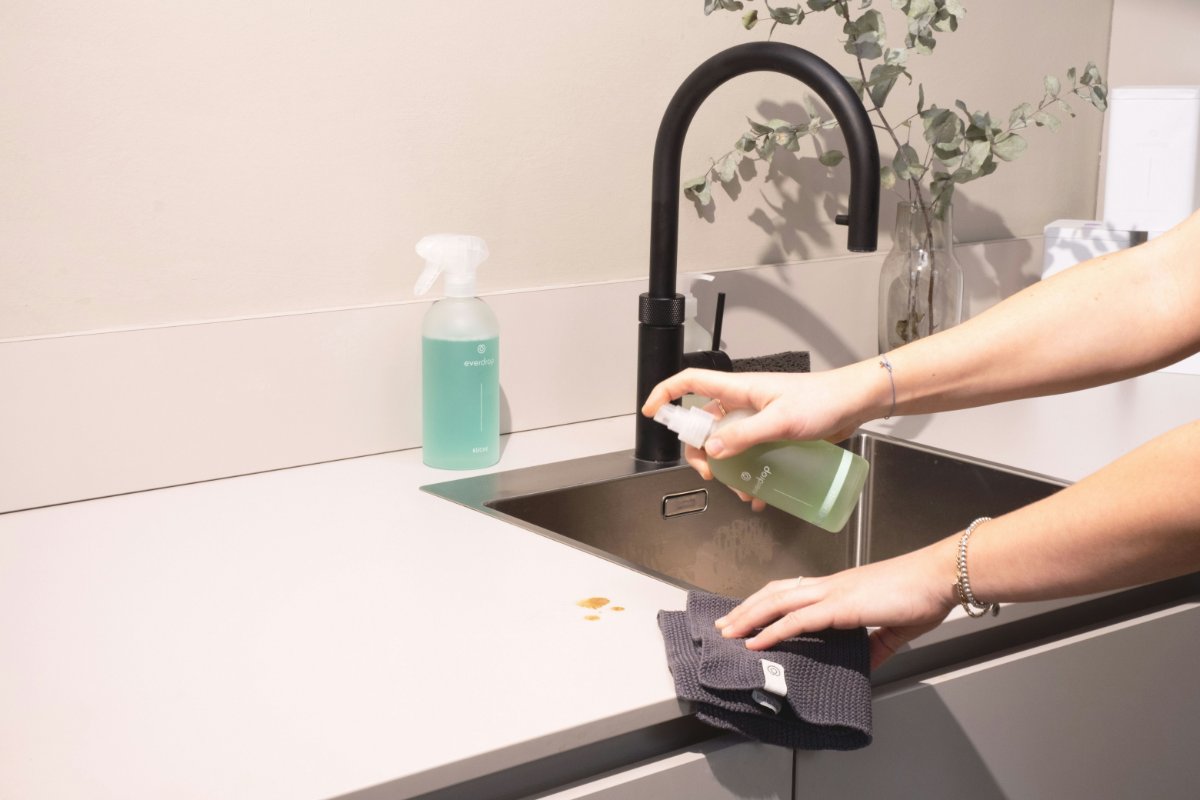
Guests choose you from your photos. Whether they walk into the place in those photos depends on one person: whoever cleans between stays. A good cleaner makes a welcome without friction possible and protects the reviews that bring your next booking. This guide helps you find that person, agree what "clean" means, and keep the standard steady when the calendar gets busy.
The short answer
Find a cleaner through other hosts or a trusted list, and pay for a trial clean before you hand over a key. Agree in writing what one turnover includes, and give your cleaner a room-by-room checklist with a reference photo of each room. Plan timings backwards from the next arrival, and keep enough linen and supplies that nothing runs out mid-season. Pay fairly and on time, and always have a second cleaner who knows your place.
Finding, paying and keeping a cleaner
Start with people who already clean short-term rentals. A turnover is different from a weekly home clean: it has a deadline, a checklist and a guest waiting at the end. Ask other hosts who they use. If you host on Revamp with a live listing, the trusted services list in your dashboard includes cleaning services.
- Talk before you hire. Ask how many rentals they clean, how they handle same-day turnovers, whether they bring their own products, and how they report problems.
- Pay for a trial clean. Book one paid turnover, then walk through the place with your checklist straight afterwards.
- Check the details, not the shine. Hair in the shower drain, crumbs in the toaster, dust on top of the wardrobe, the base of the toilet. These are what guests notice and write about.
- Agree how you'll talk. One messaging channel, photos after every clean, and a time by which they confirm the place is ready.
Once you've found a good cleaner, keep them. A cleaner who is underpaid or paid late won't stay, and changing cleaners is exactly when standards slip. Agree prices in writing, pay on the day you agreed, and review the rate when the work changes: a bigger place, more guests or more same-day turnovers. Build cleaning into your prices, and use the booking calculator to see what you keep from each stay.
Then train a backup. Your second cleaner should have done at least one paid clean in your place, have your checklist and photos, and know how to get in. Illness, holidays and busy weekends tend to arrive together.
What one turnover includes
Most disagreements with cleaners start from two different ideas of "a clean". Write yours down.
Every turnover
- Strip and remake every bed with fresh linen
- Clean the bathroom, kitchen and all surfaces
- Vacuum and mop every floor
- Empty the bins and take out the rubbish
- Restock supplies and put the welcome guide back
Every few weeks (our suggestion)
- Inside the oven, fridge and microwave
- Windows, balcony and skirting boards
- Pillows, duvets and mattress protectors washed
Only if agreed
- Laundry done away from the flat
- Small repairs
- Meeting guests or handing over keys
Agree a price for the standard turnover and for each extra before the first clean, so nobody argues about it later.
A written standard, room by room
Your checklist is your standard. Keep it short enough to follow on a phone, and specific enough that two different cleaners would leave the same result.
Bedroom
- Bed made the same way, pillows as in the photo
- Under the bed and in the wardrobe checked
- Spare blanket and hangers in place
Bathroom
- Drain, mirror, shower and toilet base cleaned
- Towels folded the same way, set per guest
- Toilet paper, soap and shampoo topped up
Kitchen
- Hob, sink, microwave and inside the fridge
- Dishes clean, counted and put away
- Coffee, tea, salt, oil and washing-up liquid
Living area and entrance
- Surfaces, remote controls, door handles, switches
- Cushions arranged as in the photo
- Keys and welcome guide where guests expect them
Then add photos. Take one picture of each room the way it should look, from the doorway, and share them with your cleaner. Ask for the same pictures after every clean. If they match, the place matches your listing, and you have a dated record if a guest later says something was dirty or missing.
Timing same-day turnovers
A same-day turnover leaves only the hours between check-out and check-in. Plan backwards from the next arrival.
- Set times that leave real room. Ask your cleaner how long a full turnover takes in your place, add a margin, and set check-out and check-in times from that.
- Share every booking early. Send your cleaner a weekly list of departures and arrivals, and tell them when a new booking lands. If you host on Revamp, the Telegram bot's morning summary of who arrives and leaves today is a useful daily check.
- Confirm departures. Ask guests to message when they leave, so the cleaner can start straight away.
- Plan the laundry. If you wash in the flat, drying time is usually the bottleneck. A spare set of linen removes it.
- Hold early check-in until it's ready. On a same-day turnover, say yes only when your cleaner confirms the place is done.
Linen, supplies and par levels
A par level is the stock you keep of each item so you never run out. Write yours down where your cleaner can see it.
Linen
- Three sets per bed: on the bed, in the wash, on the shelf (our suggestion)
- Enough towels for a full house, plus spares
- Replace stained or thin items, not only lost ones
Supplies
- A written minimum for each item, from toilet paper to coffee
- Your cleaner tells you when anything drops below it
- Restock before the minimum, not after you run out
Keep the stock in one locked cupboard the cleaner can open and guests can't, and count it once a month.
Damage, lost items and problems
- Photograph first. Before moving or fixing anything, your cleaner photographs it.
- Report it the same day, through your agreed channel, with the photos, so you can act while the stay is fresh.
- Log lost items. Bag them, label them with the date and the booking, and keep them in one place. You contact the guest through the booking platform.
- Report wear as well. A wobbly chair or a slow drain is cheaper to fix now than after it appears in a review.
Cleaning mistakes to avoid
- Hiring without a paid trial clean
- A standard that lives only in your head
- No reference photos, so "clean" means something different each time
- One set of linen per bed
- Same-day turnovers with no margin for a late check-out
- Paying late, or changing the price without talking first
- Only one cleaner, and no backup
Your checklist
Your cleaner
- Trial clean done and checked
- Turnover scope and prices agreed in writing
- Backup cleaner trained in your place
Your standard
- Room-by-room checklist shared
- Reference photo for every room
- After-photos sent after each clean
Your stock
- Par levels written down
- Three sets of linen per bed
- Damage and lost-item routine agreed
Questions hosts ask
Should I clean myself or hire someone?
Cleaning yourself works for one place and a quiet calendar. Once same-day turnovers or a second listing arrive, a cleaner frees you to look after guests. Either way, use the same written checklist.
How much should I pay a cleaner?
Rates depend on your city, the size of the place and what's included, so ask a few cleaners and other hosts. Agree a fixed price per turnover and a separate price for each extra.
Should my cleaner have their own key?
Yes, once the trial has gone well. Give them their own key or code, and change it if they stop working for you.
What if a guest says the place wasn't clean?
Apologise, ask for photos and offer to send your cleaner back quickly. Compare with the after-photos, then add whatever was missed to the checklist. Our guide to reviews that bring the next booking covers how to reply.