Tours & experiences
Safety, weather and the rules for tours in Armenia
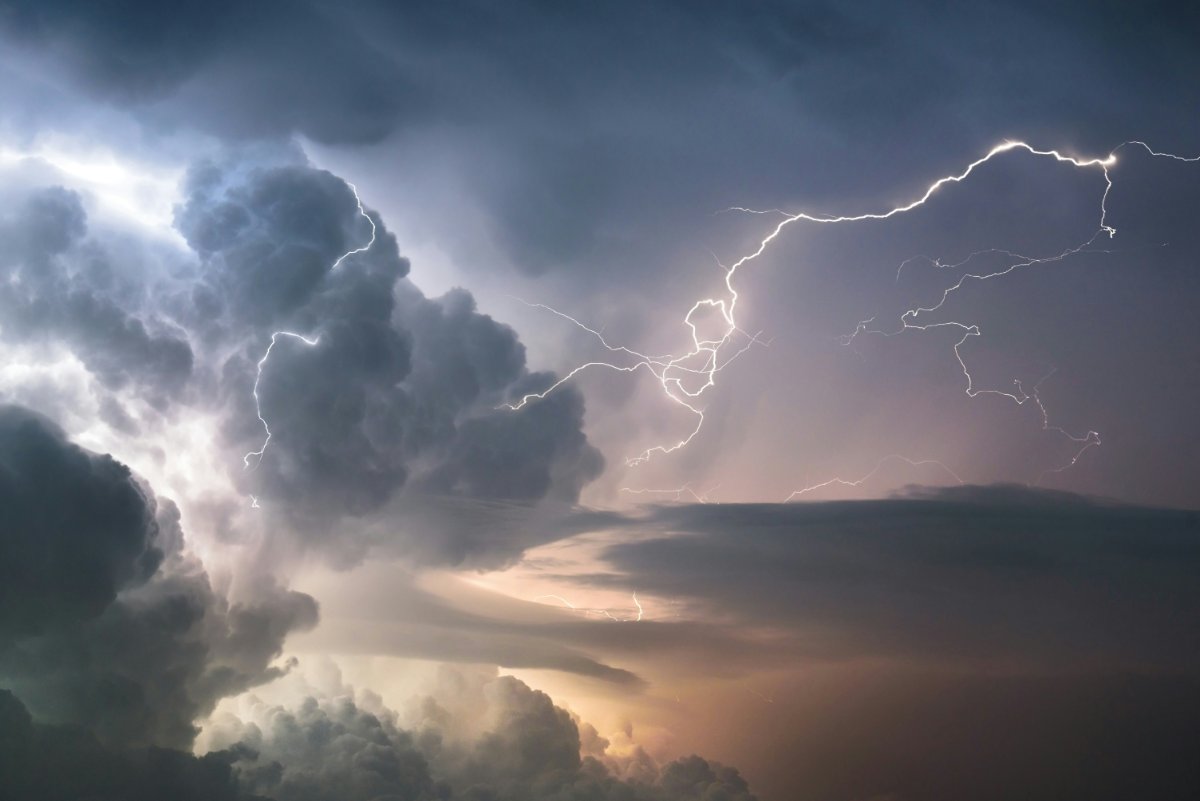
A tour is only as good as the day it doesn't go to plan: the storm that builds over Aragats by noon, the pass that closes overnight, the guest who didn't mention their knees. Guests rarely see the planning behind a safe day, but they always notice when it's missing.
This guide goes beyond the basics in Running a tour or experience guests remember (first aid kit, plan B, seat belts). It covers what Armenian law asks of tour operators and guides, a safety plan, mountains, heat and roads, the briefing, insurance and cancelling for weather. It uses Armenian legal texts on arlis.am and the Rescue Service's own pages at the time of writing (November 2026). It's a summary, not legal advice: check with the Tourism Committee or a lawyer for your own case.
The short answer
Notify the state before you offer tours, give guests complete information in a language they understand, and call 112 in an emergency. Write a one-page safety plan for each route: timings, a turn-around time, the weather that cancels the day, and who knows where you are. Check the forecast and the Rescue Service's road notices the evening before and that morning. Brief guests in writing before you set off and check their shoes, water and layers. Decide your weather rules in advance, publish them, and cancel early when you have to.
Step 1: what the law asks of you
Armenia's Law on Tourism took effect on 1 September 2024. The parts that matter most for tours:
- Notify before you start. Tour operators, travel agents, tour guides and guides must notify the state before offering their services, and go into a register kept by the Tourism Committee. See Notify the state before you offer tourism services
- Complete information. A tourist has the right to complete and objective information in their mother tongue, including the conditions of the services and of insurance. See Tourists' right to full information
- Emergencies. Since 1 January 2025, a guide must tell the relevant authorities about an emergency with tourists at once, and give first aid
- Groups of nine or more travel by tour bus. Since 1 January 2025, tour operators and travel agents may take groups of nine or more people only by tour bus, a vehicle with at least nine seats besides the driver's. Tour buses go through their own qualification, under rules in force since 1 April 2026, and must carry a first aid kit
- Guide qualification. It's voluntary until 1 January 2028 and compulsory after 1 March 2028. See Tour guides: qualification becomes compulsory in 2028
- Cancelling a tour. Under the government's rules on tourism contracts, in force since 8 February 2025, when a tour operator or travel agent cancels because too few people booked, or because of extraordinary or unavoidable circumstances, the client gets back everything they paid, without penalties. For a tour shorter than two days, the notice is at least 48 hours unless the contract says otherwise
What qualification asks of hiking guides. To qualify with a hiking specialisation, a guide needs accident insurance that covers at least search and rescue and helicopter evacuation, gives every group member a written notice of the safety risks before the service and has them sign it, checks guests' equipment, and watches the group for fatigue, sunstroke and dehydration. These are qualification requirements, not yet rules for every trip. Our suggestion: start now, because they make the day safer anyway.
Your own car. We couldn't confirm whether driving guests in your own car for money needs a transport licence. Ask the Tourism Committee before you sell transport as part of a tour.
Step 2: a one-page safety plan for each route
Write it once per route and update it each season. It's the page you'd want a stranger to have if something went wrong.
- The route and timings. Start, stops, the hardest section, the latest time you'll be at the top or the far point
- The turn-around time. The hour at which you turn back, wherever you are. Decide it at home, not on the mountain
- The weather that cancels. For example: thunderstorms forecast for the afternoon, wind above what you'd walk in, snow on the pass
- Where there's no signal. Phone coverage in the high mountains is patchy or absent. Note where you lose it
- Emergency details. 112 for police, fire and rescue, 103 for an ambulance, the nearest hospital, and how a car reaches you
- Who knows. Someone you trust gets the route and your return time, and knows what to do if you're late
Step 3: mountains, heat and roads
Mountains. On Aragats, the best months are July to September, and Armenia's official tourism site warns that one hike can bring rain, hail, strong sun and fog. At 4,090 metres, altitude sickness is a real risk. Snow lasts long: the station on Aragats measured more than three metres of snow at the end of March 2026, and an avalanche near the summit killed a climber in March 2025. The high routes stay under snow from about November to May, and summer storms are frequent and sudden, often with lightning and hail. Our suggestion: start early, plan the high section for the morning and keep your turn-around time.
Heat. In the Ararat valley, summer afternoons can pass 40°C: the forecast for early August 2025 was +39 to 41. Walk and visit outdoor sites early or late, carry extra water and build in shade.
Roads and passes. Mountain passes close in winter storms. The Rescue Service closed the Vardenyats pass to all vehicles on 13 February 2026, for example, and its winter road reports often ask drivers to use winter tyres only. It publishes a daily "Roads in Armenia" report and weather notices on rescue.mia.gov.am, and the Hydrometeorology and Monitoring Center forecasts at meteomonitoring.am. Check both the evening before and on the morning of the tour.
Step 4: the briefing and the group
Before you set off
- A short written note of the day's risks, which guests read and sign, as qualification asks of hiking guides
- A check of shoes, water, sun protection and layers. Turn away the guest in sandals for a mountain walk, kindly and before you leave
- A question about health: knees, heart, asthma, allergies, pregnancy
On the way
- Keep the group together and in sight, with the slowest walker setting the pace
- Watch for tiredness, sunstroke and dehydration, and stop before they become a problem
- Count heads at every stop
Group size. Armenian rules don't set a number of guests per guide. Our suggestion: take only as many as you can keep in sight on the hardest section, and bring a second guide on mountain routes. If one guest has to turn back, someone has to go with them.
Training. International adventure-travel standards ask guides for first aid training that matches how far away help is: the further from a hospital, the more you need to know.
Step 5: insurance
The Law on Tourism doesn't make insurance compulsory for tourists. It does give them the right to know the insurance conditions of your service.
- Tell guests clearly whether your tour includes any insurance, and suggest they bring travel insurance that covers what you do, such as hiking at altitude
- For yourself, the qualification rules ask hiking guides for accident insurance that covers search and rescue and helicopter evacuation
- Liability. Ask an insurer what cover you'd need if a guest were hurt on your tour. The law doesn't require it, but Viator does: it freezes the account of a supplier whose liability insurance lapses
Step 6: cancelling for weather
Decide your weather rules before the season, and put them in your listing's important info: what cancels the tour, how late you'll decide, and what guests get. Then follow them.
On Revamp
- When you cancel a booking, the guest gets a full refund, as Armenia's contract rules also expect
- Cancel as early as you can, through Revamp, and offer another date
- Your cancellation policy (flexible with a cutoff, or non-refundable) applies when guests cancel, not when you do
On GetYourGuide and Viator
- GetYourGuide asks suppliers not to cancel confirmed bookings, and to block dates they can't run instead. Bad weather counts as force majeure; too few participants doesn't. When you cancel for weather, you can add evidence, such as a link to the forecast or a Rescue Service notice. Otherwise, the guest is refunded and you owe a fee of 25% of the retail price, and your cancellation rate must stay at 1.0% or lower over 90 days, or your activities may be removed for a while. It also asks for a minimum group of five or fewer
- Viator says cancellations because of adverse weather don't count in your cancellation rate, but cancellations because too few people booked do. It suggests lowering your minimum group size instead
GetYourGuide and Viator: how search and reviews work covers their other rules.
Small groups. If a session only runs with a minimum number of guests, say so, and price so your smallest realistic group still pays. On Revamp, "Approve first" lets you see each request before the guest pays. Pricing and packaging a tour or experience covers this.
Safety mistakes to avoid
- No turn-around time, so the group pushes on into the afternoon storm
- Checking the weather but not the Rescue Service's road notices
- Nobody at home knowing your route or return time
- Ten guests in a minibus that isn't a tour bus
- Weather rules made up on the day, so every cancellation feels unfair
Your checklist
The rules
- Notified the state as a tour operator or guide
- Information for guests written in the languages you sell in
- Plan for guide qualification before March 2028
Each route
- One-page safety plan with a turn-around time
- Weather that cancels the day written down
- Places without phone signal noted
Each tour
- Forecast and road notices checked the evening before and that morning
- Written risk note read and signed, shoes and kit checked
- Route and return time left with someone you trust
- Weather rules published in your listing
Questions hosts ask
What number do I call in an emergency?
112 for police, fire and rescue: the Rescue Service lists it as its number. At the time of writing, the ambulance still has its own number, 103. Save both in your phone and your safety plan.
Do I have to tell the rescue service before a mountain trip?
We found no rule or form for it. Armenia's mountaineering federation advises telling the rescue service or other people before you set off. At the least, leave your route and return time with someone you trust, and make sure they know to call 112 if you're late.
Do my guests need insurance?
The law doesn't require it. Tell them what your tour includes and suggest travel insurance that covers the activity.
Can I take a group of ten in a minibus?
Groups of nine or more organised by a tour operator or travel agent must travel by tour bus, which has its own qualification. If you're unsure whether this applies to you, ask the Tourism Committee before you sell the trip.